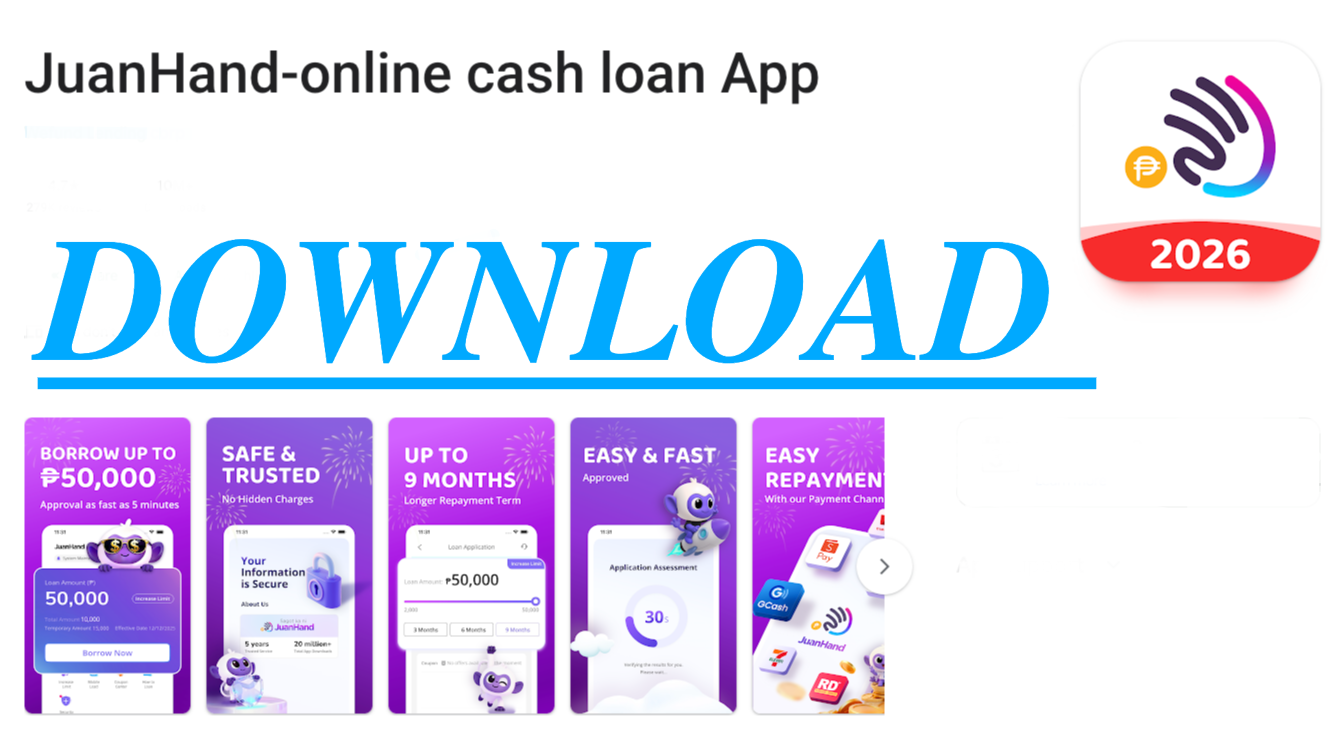
JuanHand is a legitimate, SEC-registered online lending platform in the Philippines, not a scam, operated by WeFund Lending Corp. under SEC Registration No. CS201825672 and Certificate of Authority No. 2844. However, while the app is legally licensed and widely used, its high effective interest rates and aggressive collection reminders make it an expensive borrowing option that requires careful budgeting. If you are deciding whether to borrow through JuanHand in 2026, this complete review breaks down its legal standing, updated interest rates, real borrower complaints, and who should or should not use the platform.
Quick Verdict: Is JuanHand Worth Using?
- Legal Status (Legit). JuanHand appears on the official Securities and Exchange Commission (SEC) List of Recorded Online Lending Platforms and partners with established Philippine banks like Security Bank, Maya Bank, and SeaBank.
- Best For. Short-term cash emergencies where speed matters most and you have no access to traditional bank loans or credit cards. Not Recommended For. Long-term financing, debt consolidation, or borrowers with tight monthly cash flow who might struggle with steep service fees and frequent collection calls.
- Key Caveat. Even though JuanHand complies with the SEC’s April 2026 interest rate caps, add-on service fees significantly increase the total cost of borrowing.
SEC Registration and Company Background
Before downloading any online lending app (OLA) in the Philippines, checking its regulatory status is the most important step. Many predatory loan apps operate illegally without permits, exposing borrowers to public shaming and data theft.
- Corporate Operator. JuanHand is owned and operated by WeFund Lending Corp., a fintech lending company backed by FinVolution Group.
- SEC Credentials. The company holds active corporate registration (SEC Reg. No. CS201825672) and a valid lending license (Certificate of Authority No. 2844). It is officially listed as a recorded Online Lending Platform on the Securities and Exchange Commission registry.
- Industry Memberships. WeFund Lending Corp. is a member of the Consumer Lending Association of the Philippines (CLAP) and coordinates with the Cybercrime Investigation and Coordinating Center (CICC) on anti-fraud campaigns.
- App Store Footprint. On Google Play, the official app holds a 4.7-star rating across more than 270,000 reviews and over 10 million downloads.
Important Scam Warning: While the official JuanHand app is legitimate, scammers frequently impersonate JuanHand agents on Facebook, SMS, and messaging apps. Never send manual loan payments to personal e-wallet numbers, and never share your One-Time Password (OTP) with anyone claiming to be a JuanHand representative.
Loan Amounts, Terms, and 2026 Interest Rates
JuanHand offers unsecured, collateral-free peso loans disbursed directly to your GCash, Maya, Coins.ph, or Philippine bank account. Following the implementation of SEC Memorandum Circular No. 14 (Series of 2025) in April 2026, small consumer loans in the Philippines are subject to stricter cost ceilings.
| Loan Feature | Published Terms (2026) | What This Means for Borrowers |
| Loanable Amount | ₱2,000 to ₱50,000 | First-time borrowers usually start with smaller limits (₱2,000 to ₱5,000) before unlocking higher tiers. |
| Repayment Term | 91 to 180 days (3 to 6 months) | Repaid in scheduled installments rather than a single 7-day or 14-day lump sum. |
| Maximum APR | Up to 30% per annum | Nominal interest appears modest on paper, well below the SEC’s 6% monthly nominal cap. |
| Service Fee | Around 10% (varies by profile) | Deducted or added on top of principal, raising the true effective cost of the loan. |
| Transaction Fee | ₱0 | No extra platform transfer fee charged by JuanHand upon disbursement. |
Real Cost Breakdown Example
According to published disclosures on the JuanHand app listing and independent regulatory checks:
- If you borrow ₱10,000 for 91 days (3 months) at 12% APR: You pay roughly ₱299.17 in interest plus a 10% service fee of ₱1,000, bringing your total repayment to ₱11,299.17 (about ₱3,766.39 per month).
- If you borrow ₱5,000 for 120 days (4 months) at 30% APR: You pay roughly ₱493 in interest plus a ₱500 service fee, totaling ₱5,993. Because interest is calculated on the original principal throughout the term, the effective all-in monthly cost comes out to roughly 7.7% per month—legal under the SEC’s 12% all-in monthly cap, yet noticeably costlier than a bank personal loan or credit card.
Eligibility Requirements and Application Process
One of the main reasons millions of Filipinos use JuanHand is its minimal paperwork compared to traditional banks.
- Basic Eligibility. You must be a Filipino citizen, at least 18 years old, and have a verifiable source of stable income.
- Document Needed. Only one valid government-issued ID (such as a PhilSys National ID, Driver’s License, Passport, UMID, or Postal ID) is required during registration.
- Approval Speed. Automated credit scoring typically reviews applications within minutes, with cash disbursed to linked e-wallets or bank accounts within the same day.
Pros and Cons of Using JuanHand
| Pros | Cons |
| SEC-Licensed & Regulated. Operates legally under SEC oversight and adheres to 2026 interest rate caps. | High All-In Borrowing Cost. Upfront or add-on service fees make loans expensive compared to banks or cooperatives. |
| Fast, Paperless Approval. Requires only one valid ID and no collateral, co-maker, or payslips. | Persistent Reminder Calls. Borrowers report frequent automated calls and texts starting several days before due dates. |
| Multi-Month Installments. Offers 3-to-6-month repayment windows instead of predatory 7-day terms. | Invasive App Permissions. Requests access to device contacts and data during setup, raising privacy concerns. |
| Multiple Payout Channels. Disburses directly to GCash, Maya, Coins.ph, and major local banks. | App Glitches & Support Delays. Some users report app login bugs near due dates and slow email support. |
Common User Complaints and Red Flags in 2026
While JuanHand is not an illegal scam, 1-star and 2-star reviews across app stores and Filipino finance forums highlight recurring frustrations you should anticipate:
- Aggressive Collection Reminders. Many borrowers note that JuanHand begins calling and sending SMS reminders up to five days before the actual due date. If an account becomes overdue, collection calls intensify rapidly.
- Misleading “Pre-Approved” Credit Limit Calls. Users frequently complain about receiving automated marketing calls encouraging them to reloan their remaining credit limit, only to be rejected or placed on a system “cooldown” after applying.
- Contact List Privacy Concerns. During installation, the app requests access to phone permissions. WeFund Lending Corp. officially states that it does not contact your phonebook or share data without authorization, and SEC Memorandum Circular No. 18 strictly prohibits licensed lenders from contacting anyone in your phone list other than your named guarantors.
- Disbursement and App Glitches. Occasional system errors prevent borrowers from opening the app on their due date or cause delays in e-wallet crediting. Always save screenshots of your loan contract, disbursement receipts, and repayment references.
How to Protect Yourself When Borrowing from JuanHand
If you decide to proceed with a JuanHand loan, follow these practical rules to avoid overpaying or running into disputes:
- Read the Disclosure Statement First. Before tapping “Confirm,” review the exact net proceeds you will receive versus the total repayment schedule. Check how much is deducted upfront as a service fee.
- Borrow Only What You Can Repay on Time. Late payment penalties and daily interest add up quickly on short-term fintech loans.
- Repay Strictly Inside the App. Generate your payment reference code directly inside the official JuanHand app and pay via official partners like GCash, Maya, or 7-Eleven. Never transfer money to an individual agent’s account.
- Know Your Legal Rights. Under SEC rules, debt collectors cannot threaten you, use profane language, post your personal details on social media, or call between 10:00 PM and 6:00 AM. If a collector violates these rules, document the evidence and file a complaint directly with the SEC or the National Privacy Commission.